
The Essential Trilogy: Understanding Cleansers, Face Moisturizers, and Body Lotions
Introduction: The Foundation of Healthy Skin
A consistent and well-informed skincare regimen is the cornerstone of maintaining skin health, vitality, and resilience. While the beauty market is flooded with specialized serums, masks, and treatments, the real heroes of daily care are often the most basic products: the cleanser, the face moisturizer, and the body moisturizer. These three form the essential trilogy of any effective routine, acting in concert to clean, protect, and fortify the skin barrier from head to toe.
Understanding the specific role of each product and how to choose the right formulation for your individual needs is crucial. A mistake in this foundational step can undermine the effectiveness of every other product you use. This comprehensive guide will delve into the science and function behind each of these core items, helping you build a simple, yet powerful, routine for your best skin.
Part I: The Cleanser – The Vital First Step
The Purpose of Cleansing
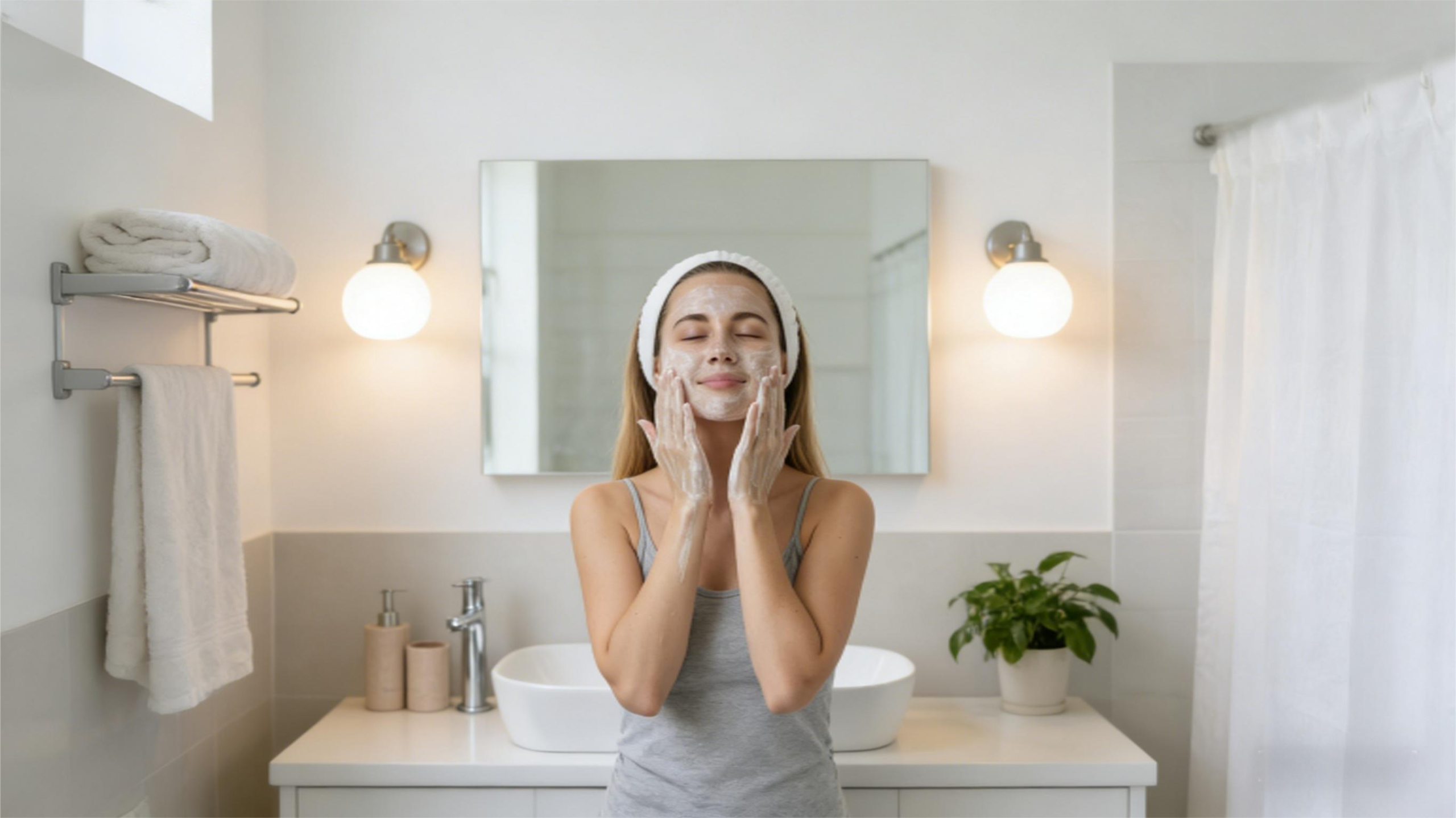
Cleansing is arguably the most critical step. Its primary function is to remove impurities that accumulate on the skin’s surface throughout the day and night. These impurities include environmental pollutants, dirt, oil (sebum), sweat, dead skin cells, and makeup. If left on the skin, this residue can clog pores, leading to breakouts, dullness, and interfering with the absorption of subsequent products.
However, a good cleanser must perform this task effectively without stripping the skin of its essential natural oils and moisture. Over-cleansing or using harsh formulas can damage the delicate skin barrier, leading to dryness, irritation, and increased sensitivity.
Understanding Different Cleanser Types
Cleansers come in various textures and formulations, each suited for different skin types and preferences:
Foaming Cleansers: These often create a rich lather and are excellent for oily or acne-prone skin, as they effectively break down and remove excess sebum. However, dry or sensitive skin types should look for gentle foaming formulas to avoid stripping.
Cream/Milk Cleansers: Richer and gentler, these formulas are ideal for dry, mature, or sensitive skin. They cleanse while maintaining the skin’s moisture balance and often leave a soft, non-drying feel.
Gel Cleansers: A versatile option, gel cleansers are typically clear and provide a moderate cleanse. They work well for normal and combination skin.
Oil Cleansers & Balms (First Cleanse): Designed to follow the principle of “like dissolves like,” oil-based cleansers are highly effective at dissolving oil-based makeup, sunscreen, and excess sebum. They are often used as the first step in a “double cleansing” routine, followed by a water-based cleanser.
Micellar Water: A no-rinse option containing tiny oil molecules suspended in soft water (micelles). It’s great for quick cleansing, makeup removal, and sensitive skin, though a traditional wash is often recommended afterward.
Choosing the Right Cleanser
Oily/Acne-Prone Skin: Look for lightweight, foaming or gel formulas containing ingredients like salicylic acid or charcoal to help manage excess oil and unclog pores.
Dry/Sensitive Skin: Opt for creamy, non-foaming, or milky textures that are fragrance-free and contain hydrating ingredients like glycerin or hyaluronic acid.
Normal/Combination Skin: A gentle foaming or gel cleanser provides balance, removing oil from the T-zone without drying the rest of the face.
Part II: The Face Moisturizer – The Protector and Hydrator
The Dual Role of a Moisturizer
A face moisturizer serves two critical functions: hydration and barrier protection.
Hydration (Humectants): Ingredients called humectants (e.g., glycerin, hyaluronic acid) draw water into the upper layers of the skin.
Protection (Emollients & Occlusives): Ingredients called emollients (e.g., ceramides, fatty acids) soften and smooth the skin, while occlusives (e.g., petrolatum, shea butter, dimethicone) form a protective layer on the surface to prevent Transepidermal Water Loss (TEWL)—the process where water evaporates from the skin.
By balancing these functions, a moisturizer keeps the skin supple, reduces the appearance of fine lines, and, most importantly, maintains the integrity of the skin barrier, which defends against environmental aggressors.
Key Moisturizer Ingredients
Look for products containing a blend of these three categories for optimal skin health:
Humectants: Attract water to the skin (e.g., Hyaluronic Acid, Glycerin, Aloe Vera).
Emollients: Fill in the gaps between skin cells to smooth and soften (e.g., Ceramides, Squalane, Cholesterol, Fatty Acids). These are vital for repairing the skin barrier.
Occlusives: Form a physical seal on the skin to lock moisture in (e.g., Shea Butter, Petrolatum, Mineral Oil).
Selecting Your Face Moisturizer
The right texture depends heavily on your skin type and the time of day:
Oily Skin: Choose lightweight, oil-free, non-comedogenic lotions or gel-creams. These provide hydration without adding excessive oil or feeling heavy.
Dry Skin: Opt for rich creams or ointments with a higher concentration of occlusive and emollient ingredients to provide intensive moisture and repair the barrier.
Normal/Combination Skin: A lighter lotion or a balanced cream works well. You might consider a lighter formula in the morning and a slightly richer one at night, or a targeted approach where a lighter lotion is applied to the T-zone and a cream to drier cheeks.
Daytime: Always use a moisturizer that contains broad-spectrum Sun Protection Factor (SPF) of 30 or higher, or layer a dedicated sunscreen over your standard moisturizer. This is non-negotiable for skin health and anti-aging.
Nighttime: The skin undergoes a repair process while you sleep. A dedicated night cream is often richer and may contain active ingredients (like retinol or peptides) that are best used in the evening.
Part III: The Body Moisturizer – Extending Care Below the Neck
Why Body Care is Different (and Essential)
While the skin on the face is delicate and requires specific formulations, the skin on the body is generally thicker, less prone to oiliness, and often has fewer sebaceous glands, particularly on the legs and back. This means body skin is often more susceptible to dryness and requires different strategies for hydration.
Body moisturizers, commonly called body lotions, creams, or butters, are essential for several reasons:
Relief from Dryness and Itch: Hydrates and soothes areas prone to flakiness, particularly elbows, knees, and shins.
Increased Elasticity: Regular use helps maintain the skin’s suppleness and smooth appearance.
Repair After Cleansing: Restores moisture lost from showering, especially in hot water, which can strip the skin barrier.
Lotions vs. Creams vs. Butters
The main difference among body products lies in their oil-to-water ratio, which determines their texture and moisturizing intensity:
Body Lotions: These are the lightest formulas, having a higher water content. They are easily spreadable, quickly absorbed, and ideal for normal skin or use during warm, humid months.
Body Creams: Thicker than lotions, creams contain a more balanced mix of oil and water. They provide a more substantial level of moisture and are excellent for dry skin or for everyday use in temperate climates.
Body Butters: The richest and most occlusive option, body butters have a high oil and emollient content. They are the best choice for extremely dry, rough, or flaky skin (such as feet, elbows, and hands) and for use in cold, dry weather.
Application Tips for the Body
Apply to Damp Skin: The most effective time to apply body lotion is immediately after a shower or bath, while the skin is still slightly damp. The occlusives in the moisturizer can then trap the water already on your skin, significantly boosting hydration.
Focus on Dry Areas: Pay extra attention to commonly dry areas like the neck, chest, knees, elbows, and feet, using a slightly thicker product if necessary.
Conclusion: A Simple, Powerful Strategy
A successful skincare routine doesn’t need a dozen steps; it requires consistency and the right foundational products. By understanding the distinct roles of the cleanser, the face moisturizer, and the body moisturizer—and by choosing formulations that cater to your unique skin type—you establish a robust system that cleanses, hydrates, and protects.
Remember to treat your skin with patience and give new products time to show results. When these three essential steps are performed diligently, you lay the strongest possible foundation for long-term skin health and a radiant, resilient complexion.